
Located in East Launceston, Tasmania, DDTA Dental is rethinking what modern dentistry can look like. Led by Dr Daniel Tan, the practice is grounded in a holistic philosophy that recognises the deep connection between oral health and overall wellbeing. With services spanning dentistry, skin and longevity, DDTA Dental takes a patient-first, integrative approach, bringing together advanced technology, personalised care and a broader focus on long-term health.
DDTA | Launceston, Tasmania
Visit them: 3-5 High Street, East Launceston, TAS 7250
Follow them:@drdanieltanandassociates
Discover more: www.ddtadental.com.au
We sat down with Dr Daniel to learn more about the philosophy behind DDTA Dental and the role of advanced wellness in modern care.
Your practice began as a specialist dental surgery. What inspired the shift toward a more holistic, integrated model of care?
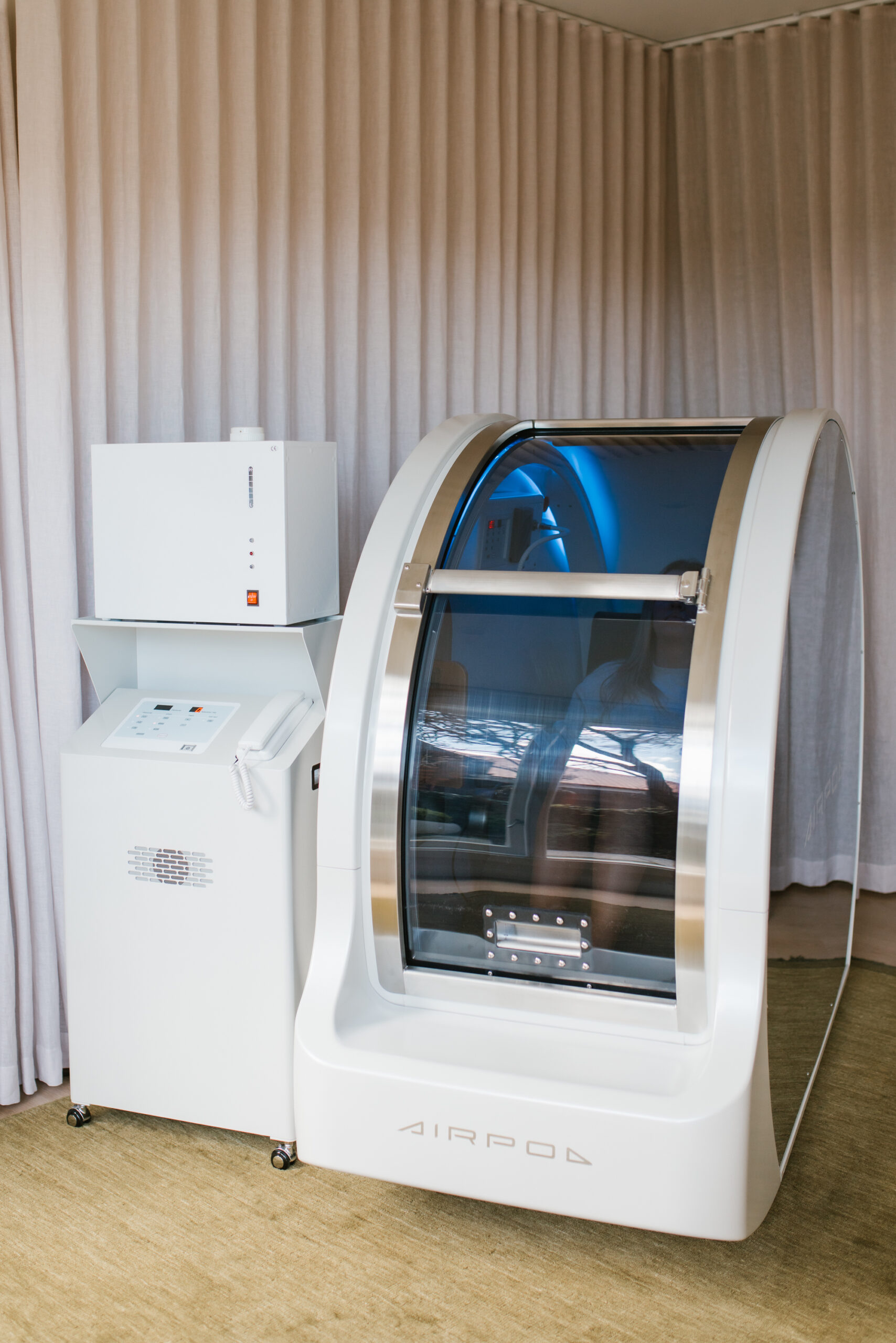
My two decades of experience in the dentistry and health fields has made clear the strong connection between oral health and overall wellness. I believe that the great majority of disease can be traced back to problems arising in the mouth, so our initial work as an exclusively dental practice provided us with a unique opportunity to not only identify general health issues in our patients, but to also offer treatment for those issues through diversification. By shifting into a multi-speciality integrative model of care, including through the incorporation of a number of longevity modalities such as the AirPod mHBOT, we are able to provide our patients with a more holistic approach to wellness, integrating traditional dental practices with alternative therapies to achieve better health outcomes.
How do you see the connection between oral health and whole-body wellbeing shaping the future of healthcare?
The link between oral health and whole-body wellbeing is reshaping how we think about healthcare. Increasingly, research shows that the oral cavity reflects systemic health, giving us insights into factors from inflammation and microbiome balance, to cardiovascular risk, metabolic disease and even cognitive decline. Dentistry is moving beyond a purely procedural model into a preventative, collaborative discipline that works alongside medical care. I believe that the future of dentistry lies in earlier intervention, stronger patient education, and integrated care pathways where oral health is recognised as a key pillar of overall health, not a separate specialty. As dentists, we have an opportunity to shift the narrative from reactive treatment to proactive health optimisation, positioning dental practices as an essential part of a truly holistic healthcare system.
What trends or innovations in health and wellness are you most excited about bringing into your practice?
For me, it’s actually less about chasing the next trend and more about helping our community better understand how to support their own health optimisation with the tools already available to them. We’re seeing a shift where patients want to take a more proactive role in their wellbeing, and I’m most excited about building stronger education around prevention, recovery and sustainable lifestyle strategies. Rather than constantly introducing new modalities, our focus is on empowering people with knowledge and helping them to feel confident navigating their own health journey. This is, in my view, one of the most meaningful innovations happening in healthcare right now.
Have you noticed a new type of patient coming through since introducing advanced technologies like mHBOT? What are they looking for?
Yes. Since introducing the AirPod mHBOT, we’ve seen a new wave of patients who are deeply invested in proactive health, recovery and long-term performance. Many of them are already engaged in wellness practices and are looking for clinically guided ways to support energy, resilience and overall optimisation. mHBOT has been particularly appealing because it offers a gentle, non-invasive way to complement their existing routines, whether that’s supporting recovery, managing stress load, or simply creating dedicated time for restorative care. What’s been most rewarding is seeing patients shift their mindset; they're not just coming in to treat problems, they’re engaging with their health more intentionally and viewing these therapies as part of a broader, sustainable approach to wellbeing.
What are some of the most common health challenges you’re seeing in patients today?
Some of the most consistent patterns we see in patients today are rises in stress load, poor recovery, inflammation-related concerns, and a general sense of being ‘run down’ despite otherwise healthy lifestyles. Modern life places significant demands on sleep, nervous system regulation and metabolic resilience, and many people are now seeking preventative strategies rather than waiting until illness develops. Therapies like the AirPod mHBOT can play a supportive role by enhancing oxygen availability and creating an environment that may assist recovery and overall wellbeing when used appropriately.
How does the AirPod mHBOT fit into your broader treatment approach?
The AirPod mHBOT complements our existing wellness offerings by supporting recovery, oxygenation and cellular resilience alongside the other modalities we provide. Rather than positioning it as a standalone solution, we integrate it within a broader, personalised care framework, looking at factors such as inflammation, healing capacity, fatigue, and overall health goals. For some patients, it sits alongside red light therapy to enhance tissue repair and support wellbeing, while for others it forms part of a longer- term preventative approach.
What benefits are your patients noticing most from using the AirPod mHBOT?
Three of the most commonly reported benefits from patients using the AirPod mHBOT have been improved recovery, enhanced energy levels, and a greater sense of overall wellbeing. Many patients incorporate sessions as part of a broader lifestyle or recovery routine and tell us they feel more refreshed and better able to manage physical or mental fatigue. Others value it as a supportive tool alongside their existing health strategies, particularly when they are focused on optimisation and preventative care.
And finally, what’s the most compelling reason someone should visit DDTA Dental today?
Reinforced by our ongoing commitment to providing the highest standard of patient-centred care, our practice delivers a truly integrated approach to health and wellbeing, bringing together dentistry, skin and longevity services, and setting a new benchmark for holistic care in Australia.